Accessing the Areas Screen
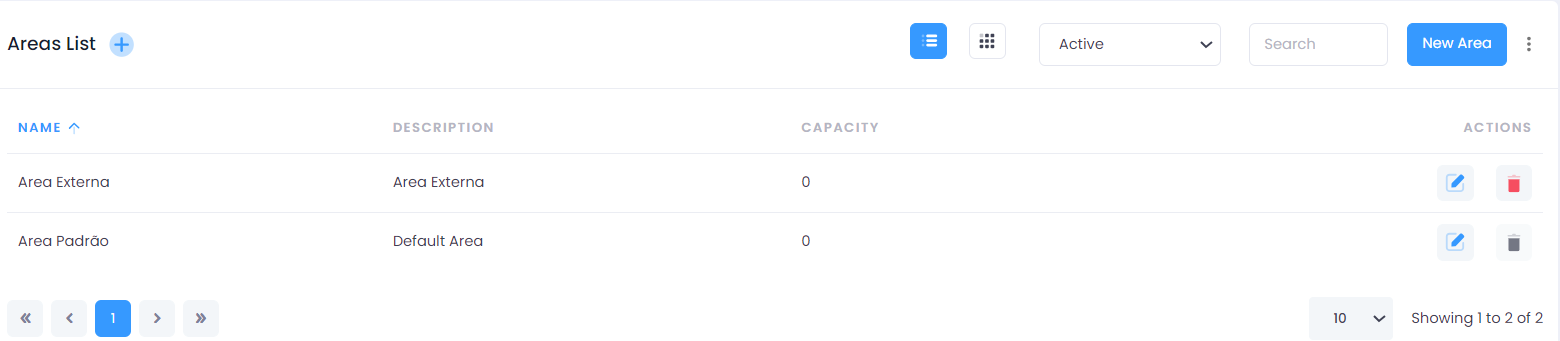
To view the areas registered in the system, navigate to the side menu and select: Access > Areas.
Filtering Areas
Use the Active filter located at the top of the screen to filter the areas. The available options are:
- All: Displays all registered areas.
- Active: Lists only the areas that are active.
- Inactive: Displays the areas that have been deactivated.
Searching and Displaying Areas
In the Search field, enter part of the area name you want to find. The results that match your search will automatically appear in the list.
You can choose the display mode of the registered areas between grid or list by clicking the buttons next to the filter:
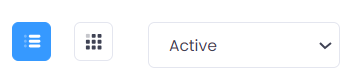
The first button displays in list form, while the second displays in grid format.
Adding an Area
To add a new area, you can:
- Click the
New Areabutton. - Or click the
+(plus) icon located at the top of the screen.

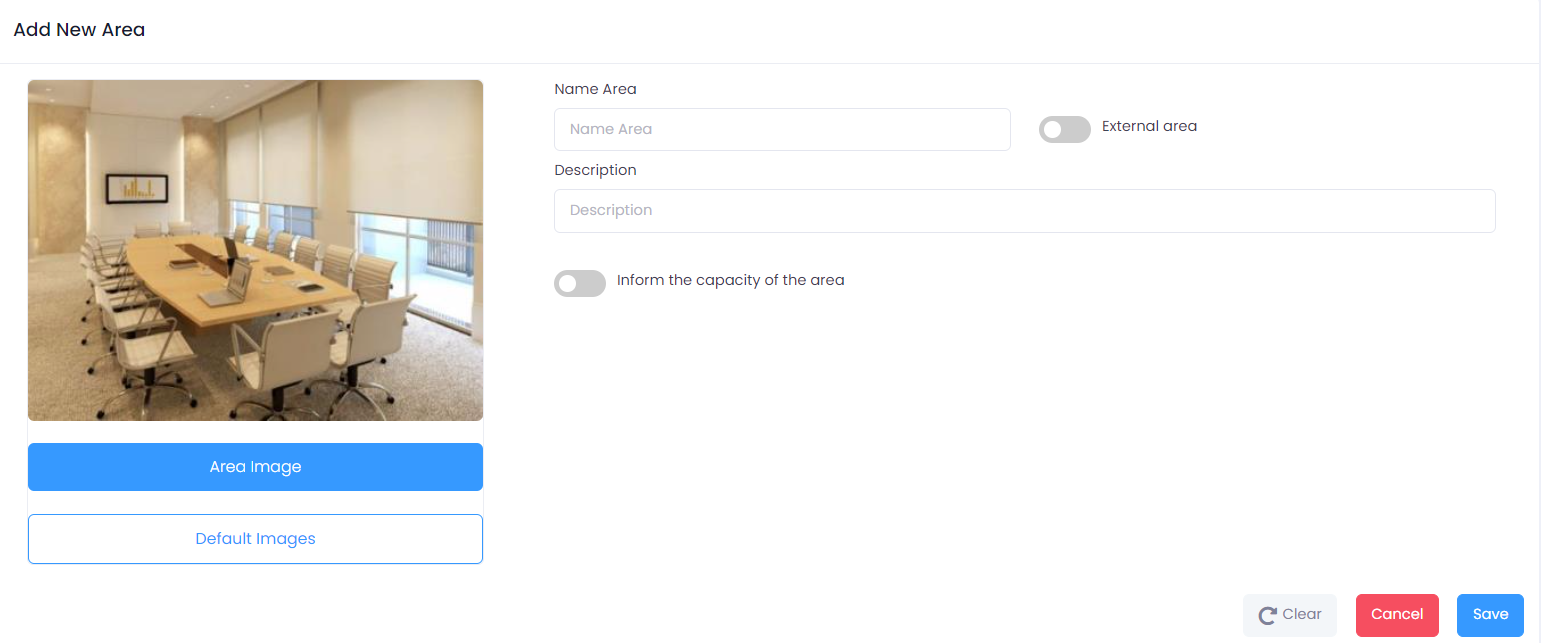
Registering a new area is simple and requires minimal information, allowing for efficient and personalized management of areas in the system.
-
Select Area Image:
- Click the
Select Filebutton to choose a specific image from your gallery. - Or click the
Default Imagesbutton to choose from the available default images in the system.
- Click the
-
Fill in Basic Information:
- Enter the Area Name.
- Add a Description with additional information about the area.
- Select the Area Type:
- Entry: Entry area (access into the monitored space).
- Exit: Exit area (access out of the monitored space).
- Common: Passage area with no entry/exit distinction.
- Enable the Outdoor Area toggle if the area is located outdoors. When marked, visitors who access this area may be automatically deactivated (as configured in System > Access).
-
Configure Area Capacity:
- Enable the Area Capacity toggle to define a simultaneous people limit.
- When activated, the Capacity field will appear — enter the maximum number of people allowed.
-
Configure Anti-Passback:
- The Anti-Passback toggle prevents the same person from entering the same area twice consecutively without exiting. When enabled, the area tracks user presence and blocks re-entry until an exit is recorded.
-
Document Validation:
- Enable the Validate Documents toggle to require that people with registered documents have them valid when accessing this area.
- After saving, you can select which document types will be validated in the selection list when editing the area. This selection is disabled during initial area creation.
-
After filling in all necessary information, click
Save.
Editing an Area
To edit an existing area, click the Pencil icon corresponding to the record you want to edit. You will be redirected to the Edit Screen, where you can make the desired modifications.
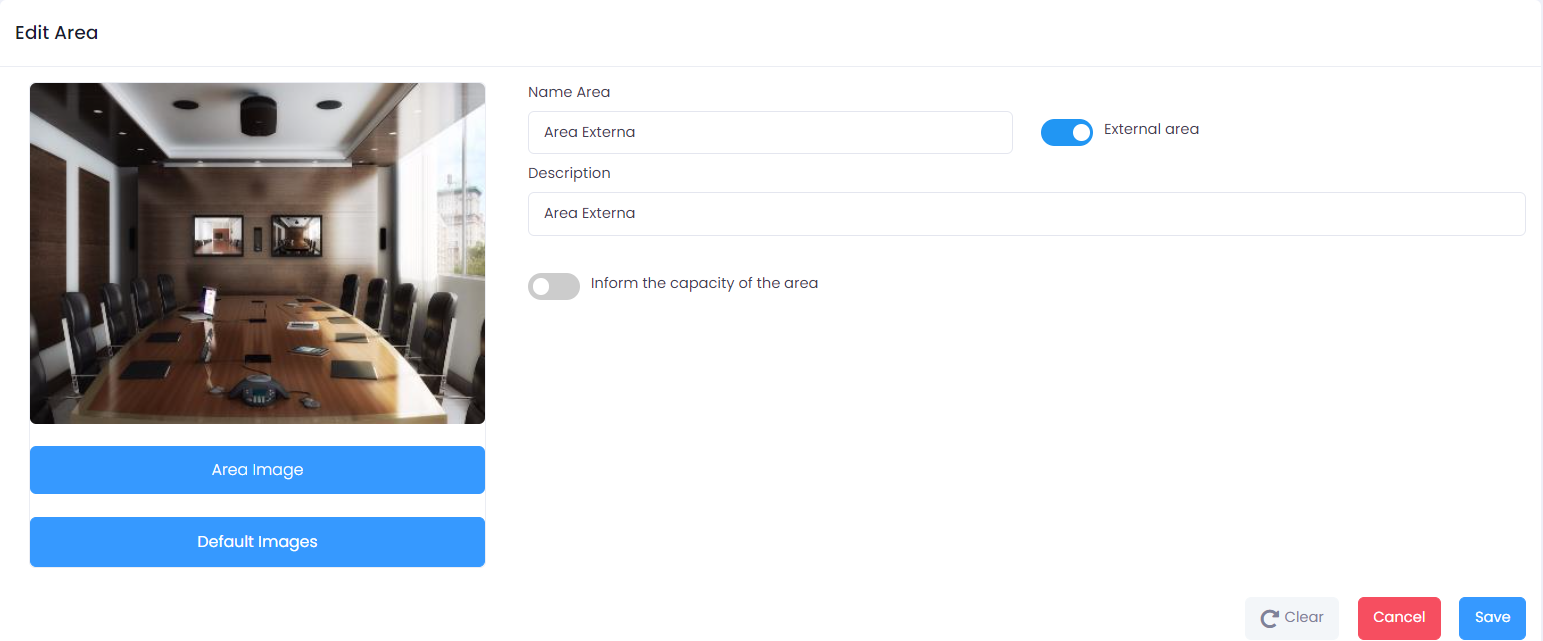
After filling in all the information and selecting the desired settings, click the Save button to confirm the registration or the changes made. If you want to cancel the operation, click the Cancel button to return to the previous screen without saving the changes.
Deactivating or Deleting an Area
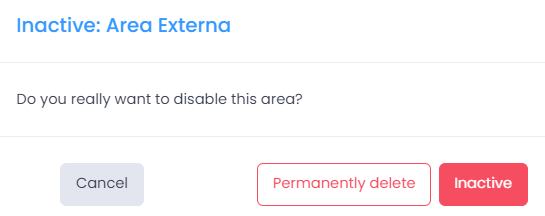
Click the Trash icon in the row of the record you want to deactivate or delete. A dialog box will appear with two options:
- Inactive: Deactivates the selected area, which will no longer appear in the active list but will remain in the database.
- Delete permanently: Performs a 'fake delete,' marking the record as deleted in the database without physically removing it.
Activating an Area
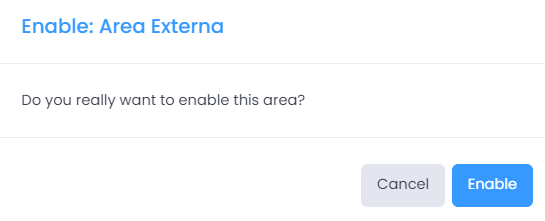
Activating an inactive area is a simple process. First, filter by Inactive. This will display the list of areas that are currently inactive.
Locate the record you want to activate and click the ✔️ icon to activate it. A dialog box will appear to confirm or cancel the operation.
Selecting the Number of Records Displayed
At the bottom of the screen, use the selector to choose how many records you want to view at a time. The options are: 10, 20, 50, and 100
Viewing and Navigating Between Records
The bottom of the screen also shows the count of displayed records and the total number of registered records.
Use the pagination controls to navigate between record pages. The navigation options include:
- << and >> to go to the First or Last page.
- < and > to Advance or Go Back a page.
- [1] [2] ... [N] page indicators to click and access directly.
